Article
What Is AI Ops for Marketing Agencies?
AI Ops for marketing agencies is infrastructure that eliminates the repeatable client work that grows with every client an agency adds, such as pulling data, building reports, checking accounts, and tracking client health.
The goal is simple. When the team stops doing that work, the same team can handle more clients, and costs stop rising every time the agency grows.
This guide explains what AI Ops is, what it includes, how it compares to hiring or adding more tools, and what results look like inside real agencies.
Why do marketing agencies need AI Ops?
Every new client brings the same set of tasks with it. Someone pulls the numbers from each ad platform. Someone builds the monthly report. Someone checks every account for problems. Someone keeps track of whether the client is happy.
That work grows in a straight line with the client list. Ten clients means ten reports. Forty clients means forty reports.
The traditional answer is to hire. First another account manager, then a manager to oversee the account managers, then operations support to keep everyone organized. Each hire adds salary, and the agency’s margin gets thinner as it grows instead of wider.
AI Ops breaks that pattern by removing the repeatable work itself, so growth does not require the next hire.
How is AI Ops different from using AI tools?
Agencies already use AI tools to write faster, summarize calls, and draft reports. Those tools help a person finish a task sooner, but the person still owns the task.
Random AI use speeds up tasks, but doesn’t eliminate them. So to handle more work, you need more people.
AI Ops is different because it is built as a system underneath the agency. Reports build and send themselves, alerts fire only when a human is needed, and the agency’s own rules live in the pipeline instead of in someone’s head.
What does AI Ops include?
At Matz Analytics, AI Ops Infrastructure is installed in four layers, called the Matz Method. Each layer removes one kind of repeatable client work.
1. Money Map
The Money Map removes the work of pulling and reconciling data.
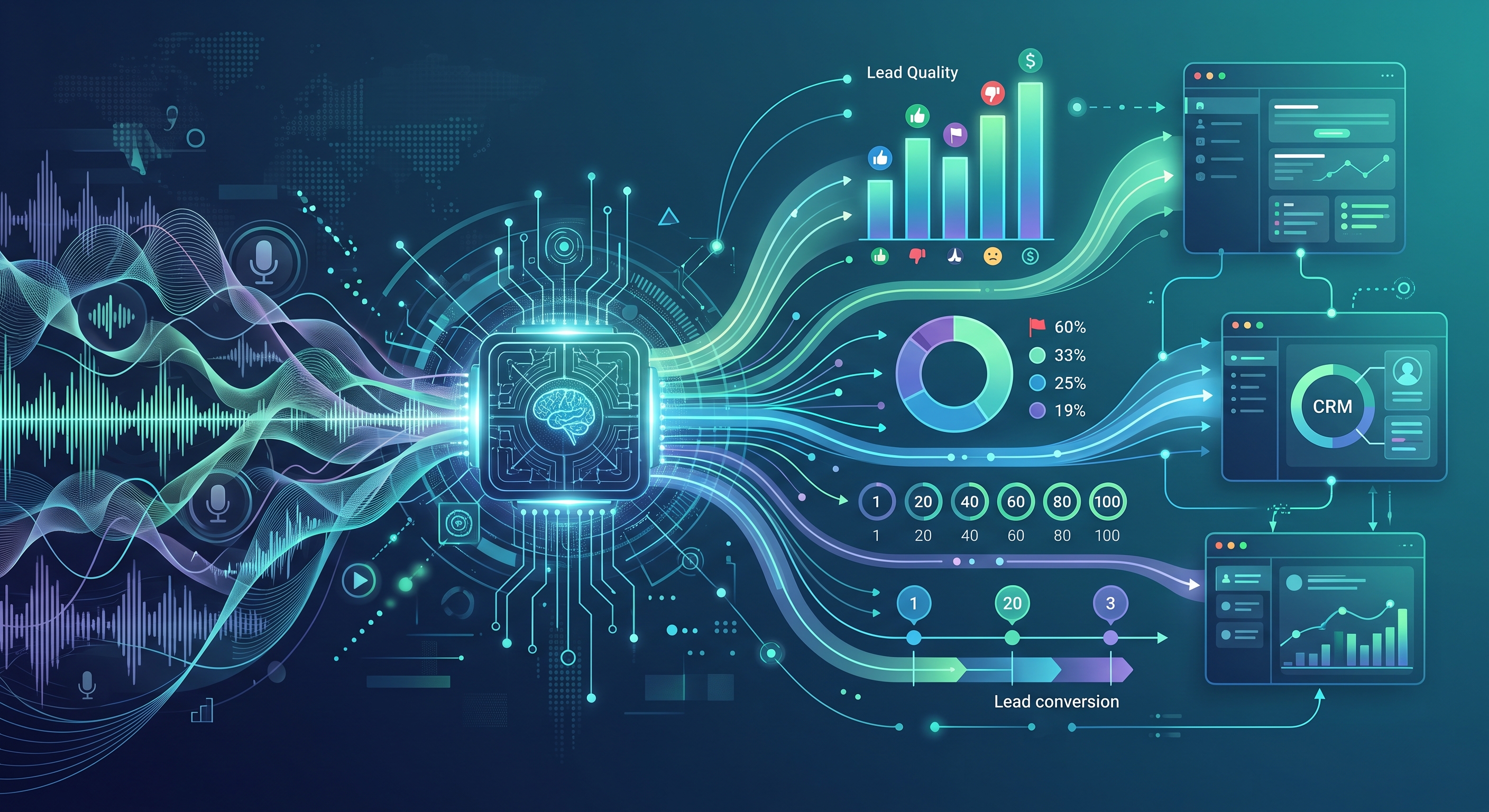
It connects every source an agency runs, including ad platforms, the CRM, call tracking, and web forms, into a single source of truth. Ad clicks are matched all the way to closed deals, so return on ad spend is proven automatically instead of rebuilt by hand. The team can ask questions of its marketing data directly instead of exporting spreadsheets.
2. Automated Analysts
Automated Analysts remove report week.
Reports build themselves from the Money Map and are written in each client’s language rather than a generic template. Context is built in, so the team stops spending calls explaining what the numbers mean.
3. Performance Tune-Up
Performance Tune-Up removes the work of babysitting accounts.
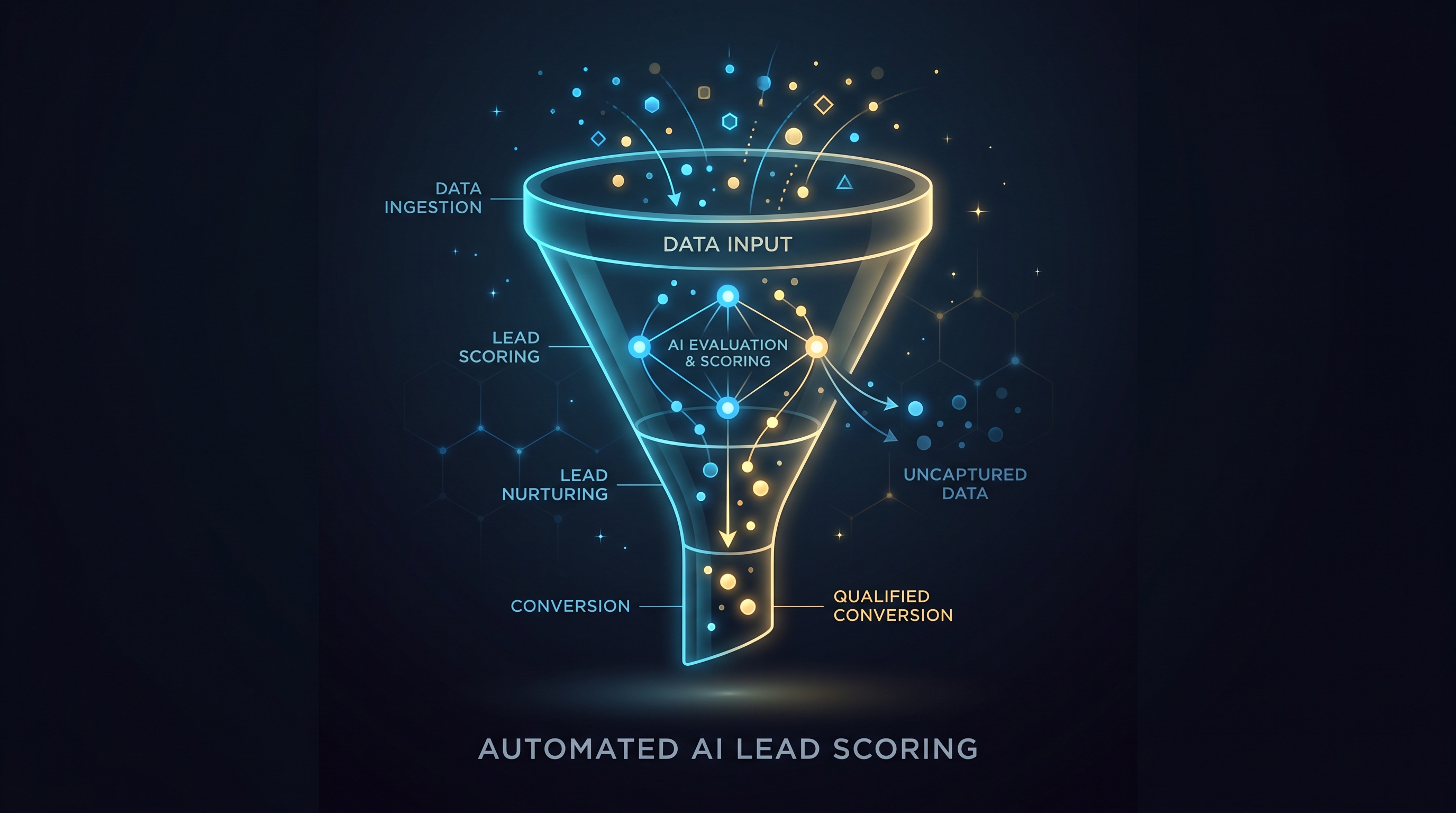
The agency sees performance drops before the client does, instead of checking every account one by one. AI lead scoring grades each lead against the client’s own definition of a good lead, and those scores feed back into the ad platforms so campaigns optimize toward real customers. Marketing improves without anyone touching it.
4. Zero-Churn System
The Zero-Churn System removes the work of guessing which clients are at risk.
It surfaces churn signals before a client leaves and gives the team any client’s status in seconds. Clients stay handled even when the team is slammed.
How is AI Ops different from hiring an ops person?
An ops hire is another salary that scales with the client count, and the knowledge leaves when that person does.
AI Ops is infrastructure. It does not take PTO, and the agency’s rules live in the pipeline rather than in someone’s head, so it survives turnover. The team keeps doing the work only people should be doing, like strategy and client relationships.
We already use Zapier and dashboards. Is that AI Ops?
Not quite. Automations bolted onto tools that disagree with each other still leave a person reconciling the numbers.
The difference with AI Ops is a single source of truth underneath everything, with the agency’s own definitions written into it. Reports, lead scoring, and alerts all read from the same numbers instead of each being rebuilt by hand.
Does an agency have to change its tools?
No. AI Ops connects to what the agency already runs. The CRM, ad platforms, call tracking, and forms stay exactly where they are.
What results does AI Ops produce?
Two agencies show what happens when the repeatable client work is eliminated.
A lead generation agency grew from 28 clients to 59 clients, more than doubling its client list, and its total costs did not grow with it.
A legal marketing agency grew from 44 clients to more than 60 clients in two months, and its total costs did not grow with it either.
In both cases, AI Ops created the capacity, and the agency used it to take on more clients with the same team.
How long does AI Ops take to go live?
The source of truth goes live within the first week, and automated reporting follows within two. Everything after that is built in the order that clears the biggest share of work first, so the heaviest repeatable client work leaves the team earliest.
Who owns the system?
The agency does. At Matz Analytics, AI Ops runs on the agency’s own Google Cloud account under the agency’s branding. The database, the pipelines, and the platform stay with the agency.
Which agencies is AI Ops built for?
AI Ops fits performance marketing and lead generation agencies where account managers, specialists, or the founder still pull data, build reports, and check accounts by hand. If every new client means more of that work, and the next step is another hire, AI Ops is the alternative.