Article
7 Best Ways to Use AI to Improve Marketing Agency Reporting

Marketing agencies face constant pressure to deliver clear, accurate, and actionable reports to clients. Yet, manual reporting processes often consume valuable time and leave room for errors. AI offers powerful tools to transform how agencies handle reporting, making it faster, smarter, and more reliable. This post explores seven practical ways marketing agencies can integrate AI into their reporting workflows to boost efficiency and client satisfaction.

AI-powered marketing dashboard with key metrics
1. Use AI for Lead Scoring to Prioritize Prospects
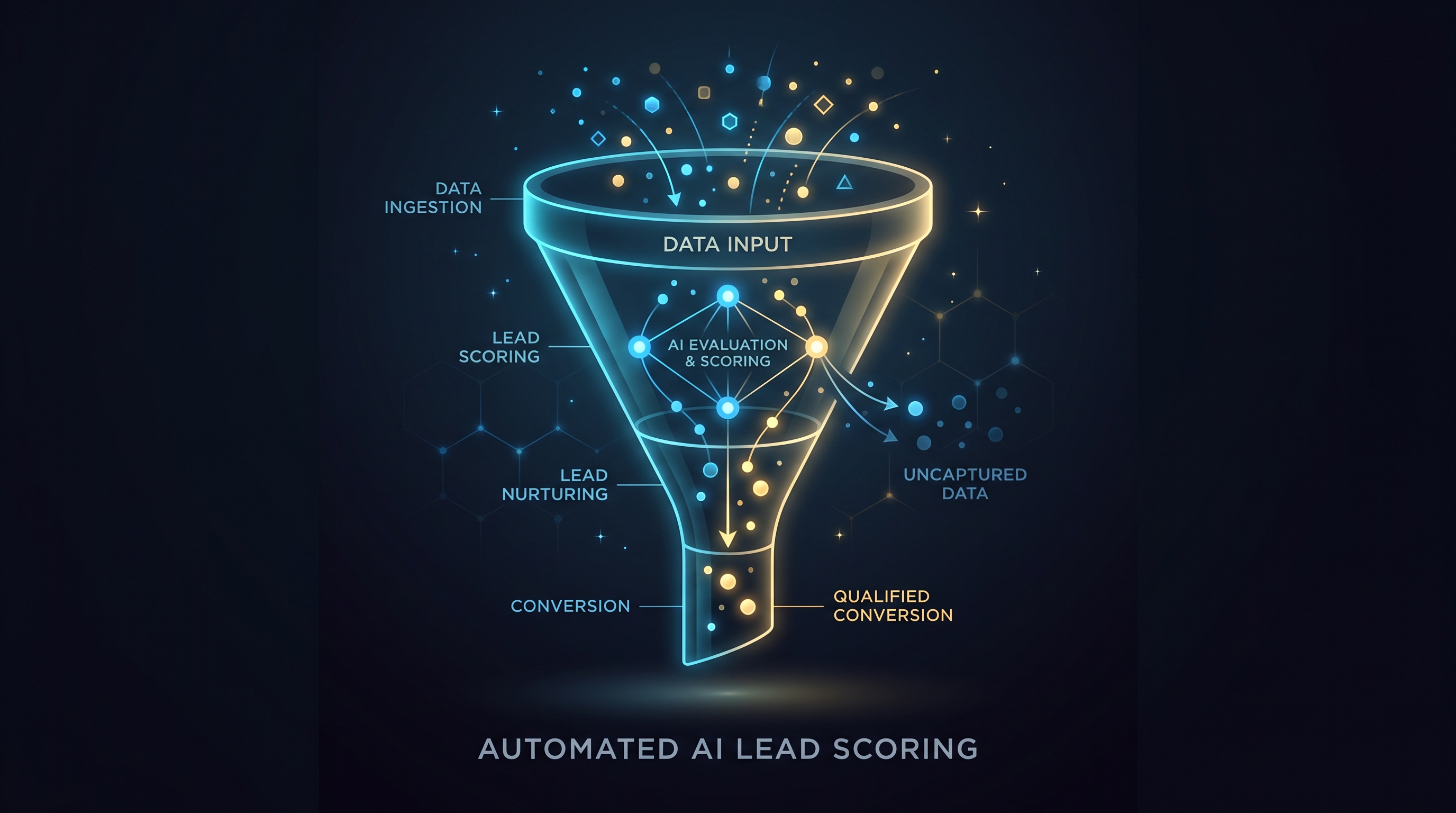
Lead scoring ranks potential clients based on their likelihood to convert, helping sales and marketing teams focus on high-value leads. AI improves lead scoring by analyzing vast amounts of data, including past interactions, demographics, and behavior patterns. Unlike traditional scoring models that rely on fixed rules, AI adapts over time, learning which signals best predict conversion.
For example, an AI model can assign higher scores to leads who frequently visit pricing pages or engage with specific content, while lowering scores for less engaged contacts. This dynamic approach helps agencies allocate resources more effectively and improve conversion rates.
2. Automate Lead Qualification with AI
Lead qualification determines whether a prospect fits the ideal client profile. AI can automate this process by analyzing data points such as company size, industry, budget, and engagement history. Natural language processing (NLP) tools can even evaluate email conversations or chat transcripts to assess interest and readiness.
By automating lead qualification, agencies reduce manual effort and speed up the sales cycle. AI-driven qualification also ensures consistency and reduces human bias, leading to more accurate client targeting.
3. Transcribe Sales Calls for Better Insights
Sales calls contain valuable information that often goes unrecorded or unanalyzed. AI-powered transcription tools convert spoken conversations into text quickly and accurately. This allows marketing teams to review calls, extract key points, and identify client needs without relying on memory or manual note-taking.
Transcriptions can be integrated into CRM systems, making it easier to track communication history and tailor follow-up strategies. Additionally, searchable transcripts help agencies find specific details across multiple calls, improving knowledge sharing.
4. Score Sales Calls to Measure Effectiveness
Beyond transcription, AI can analyze sales calls to score their quality and effectiveness. Speech analytics tools evaluate tone, pace, keyword usage, and sentiment to provide objective feedback on how well sales reps communicate and address client concerns.
For instance, AI might flag calls where reps miss key objections or fail to mention important product features. These insights help agencies train their teams, refine messaging, and improve overall sales performance.
5. Create Custom Metrics Tailored to Client Goals
Every client has unique objectives, so standard reporting metrics may not capture what matters most. AI enables agencies to build custom metrics by combining multiple data sources and applying advanced algorithms.
For example, an agency could develop a composite engagement score that factors in website visits, social media interactions, and email open rates. AI can also identify correlations between marketing activities and sales outcomes, helping clients understand which tactics drive results.
Custom metrics provide deeper insights and demonstrate the agency’s commitment to personalized service.

Custom AI marketing metrics displayed on a computer screen
6. Flag Errors Before They Happen
Data errors and inconsistencies can undermine client trust and lead to poor decisions. AI can detect anomalies and flag potential errors in real time, such as missing data, duplicate entries, or outlier values.
For example, if a campaign’s reported click-through rate suddenly spikes beyond normal ranges, AI can alert the team to investigate possible tracking issues. Early detection prevents flawed reports from reaching clients and saves time on corrections.
This proactive approach enhances data accuracy and reinforces the agency’s reputation for reliability.
7. Enhance AI Marketing Reporting with Visual Storytelling
AI tools can automatically generate visual reports that highlight key insights using charts, graphs, and infographics. These visuals make complex data easier to understand and more engaging for clients.
By integrating AI marketing analytics platforms, agencies can customize report templates and update them dynamically as new data arrives. This reduces manual report creation and ensures clients receive up-to-date, visually appealing summaries.
Visual storytelling helps clients grasp the impact of marketing efforts quickly and supports better decision-making.
Marketing agencies that adopt AI in their reporting processes gain a clear advantage. From lead scoring and qualification to call transcription, scoring, custom metrics, and error detection, AI tools improve accuracy, speed, and insight quality. These improvements lead to stronger client relationships and more effective marketing strategies. Want help integrating AI into your reporting? Click here.